
Storage Tips
If you’re new to CSA, I highly recommend the cookbook From Asparagus to Zucchini. It’s full of great storage tips, cultural info about veggies, and lots of easy, delicious recipes. You can order it directly from the Fairshare CSA Coalition, or find it at most online booksellers. In the meantime, here’s some solid veggie storage advice, inspired by Woven Roots Farm and our own experience.
Most of you seasoned CSA folks already have a routine: you pick up your share, get it home, and pop everything in the fridge (with exceptions like onions and potatoes, of course). If greens are a little wilted, you know an ice bath can perk them right back up.
For those just getting started, know that there’s a bit of a learning curve—and we’re here for it. If you’re unsure how to store or cook something, or just want some inspiration, don’t hesitate to reach out via email, text, or our CSA Facebook group.
We double-rinse most produce (though not things like strawberries, since washing them speeds up spoilage). Still, feel free to give items another rinse at home if that’s your preference.
A few key tips:
- Separate root veggies from their tops (like carrots, beets, radishes, turnips) if you’re not using them right away. The greens will draw moisture from the roots, making them go limp faster.
- Lettuces and salad greens do best when rinsed in a bowl or sink, then dried thoroughly with a salad spinner or clean towel.
- Be strategic—use the more delicate items (like strawberries and arugula) early in the week. Heartier produce (like kale or cabbage) can hang out in the fridge a bit longer.
There are loads of great resources online—videos, books, websites—to help with storage and prep. And as always, if you’re unsure, a quick Google search can go a long way.
When stored properly, your CSA produce should last at least a week—and often much longer. That’s one of the many benefits of eating fresh, local food!
Salad Season is Here!
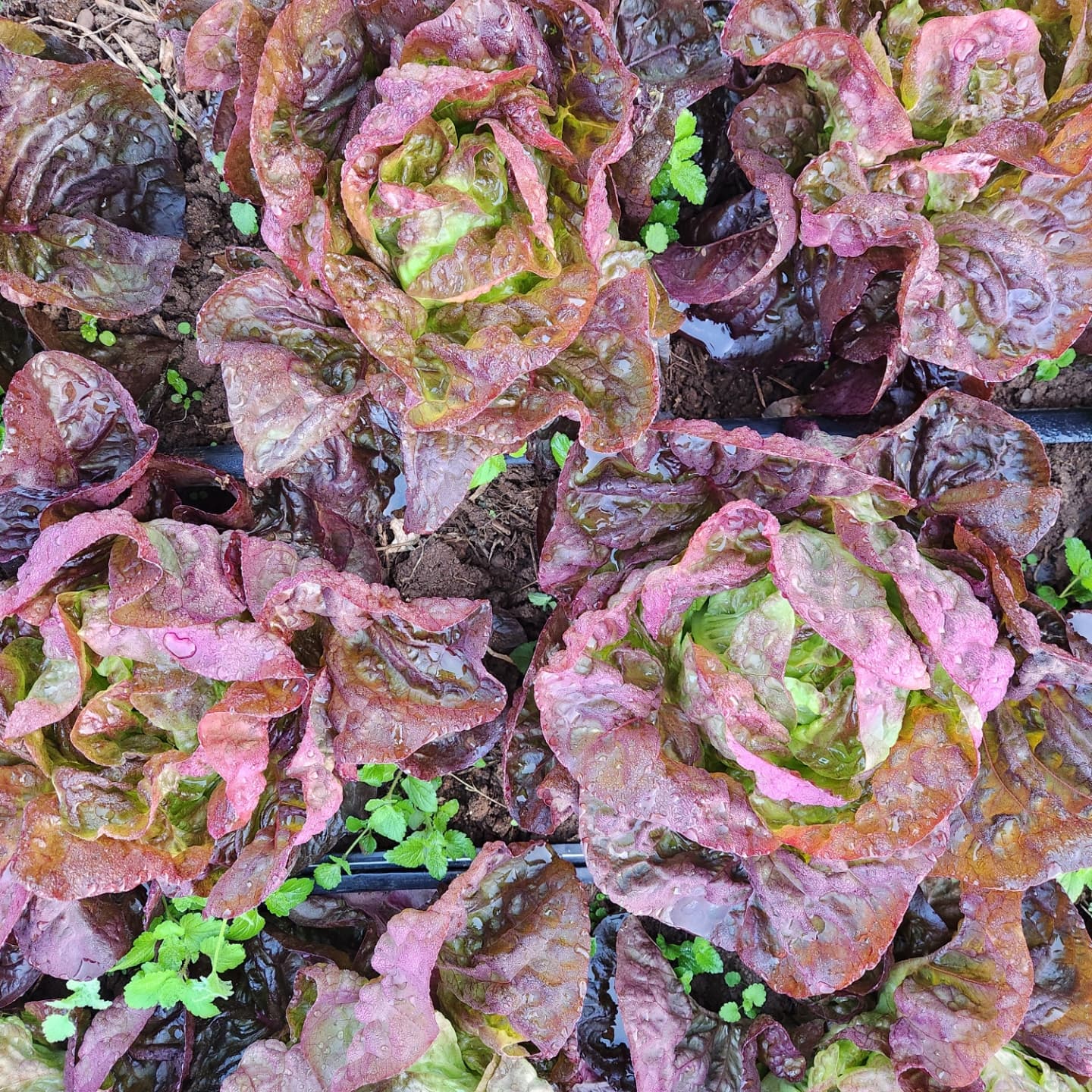
We’ve got an abundance of beautiful salad greens this week—multiple types of lettuce, arugula, radishes, rapini, fresh herbs, green garlic, and even flowering chives. It’s the perfect time to lean into big, flavorful salads for lunch or dinner.
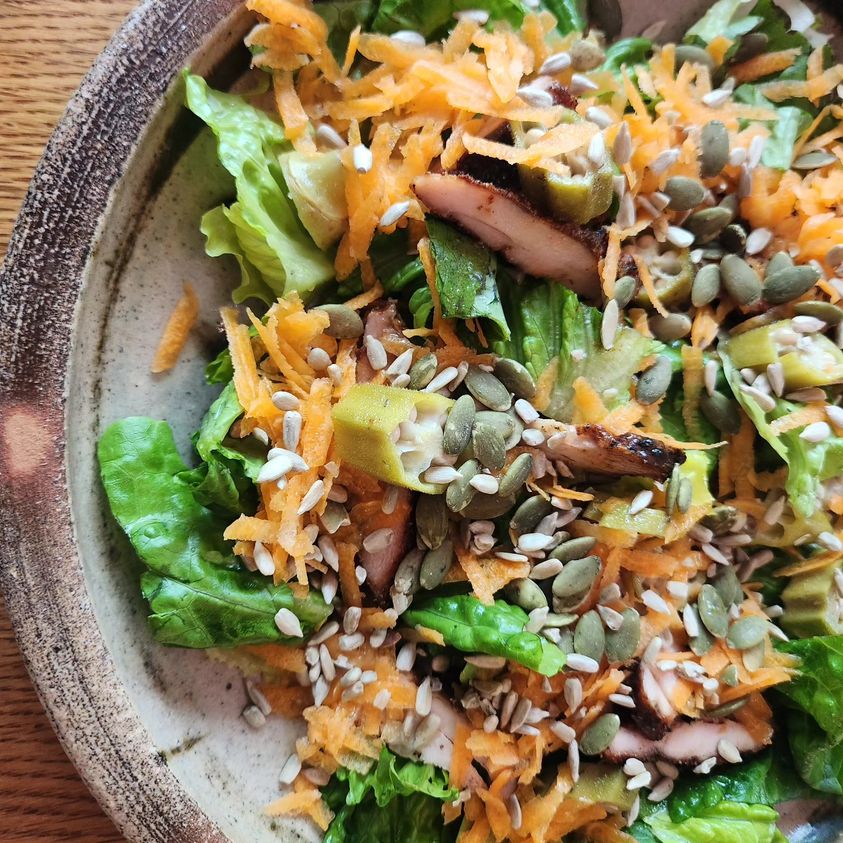
The key to a great salad? Start with really fresh ingredients—think Alice Waters: simple, seasonal, and vibrant. From there, it’s all about the dressing. Making your own vinaigrette is easier than you think. I like a ratio of 1 part acid (like vinegar or lemon juice) to 2 parts oil (olive oil is classic, but walnut oil makes a stunning salad, too). Add a spoonful of mustard or a pinch of honey if you like, salt and pepper to taste, and shake it up in a jar—or use a hand blender if you’ve got one (they’re handy and often under $20).
We love mixing things up in our house. Try building a salad with:
- A base of lettuce, arugula, baby beet greens, or spinach
- Crunchy additions like radishes or hakurei turnips (raw or roasted!)
- Chopped fresh herbs like dill, parsley, or chives
- Nuts or seeds for texture—sunflower seeds, walnuts, or pumpkin seeds
- Protein like boiled eggs, chickpeas, or leftover roast chicken
- Roasted veggies like carrots, radishes, or beets for extra depth
Some of our favorites this time of year include:
- Farmbelly Vinaigrette Recipe – a solid go-to vinaigrette recipe. It’s endlessly adaptable and a great base to start from. Keep in mind you can swap oils and acids to change up flavors. You can also swap out your fresh herbs (a hand blender is not necessary, but is super helpful for homemade vinaigrettes).
- Radish Salad with Radish Top Pesto – a great way to use the whole veggie
- Homemade Caesar Dressing – perfect on lettuce, even better on kale! We’ve found this dairy-free version to be a great alternative. (We swap in low-salt tamari for coconut aminos since we’re not doing keto.)
Whether you’re new to salads or a salad-lover already, now’s the time to get creative. The sky’s the limit!




 In Good Heart Farm